
Respecting rack weight limits is the core of warehouse safety. Problems will follow fast. You may not see danger at first, but stress builds inside the rack.
Overloading does not only break steel. It puts your workers at risk. It damages inventory. It also creates compliance problems with inspectors and insurers.
This article helps you build the right understanding of rack weight limits. This will help you understand the numbers and use them correctly in your job.
What Are Warehouse Rack Weight Capacity Limits
Basic Definition of Weight Capacity
Warehouse rack weight capacity limits tell you the maximum load a rack can safely carry. This limit comes from engineering tests and standards. It is not a guess.
Per-Level, Per-Bay, and System Capacity
You must know three numbers:
– Per-level capacity: how much one shelf level can hold
– Per-bay capacity: how much one bay between uprights can hold
– System capacity: how much the full rack section can hold
If you only look at one number, you miss risk.
Why One Number Is Never Enough
A rack may hold heavy loads on one level but fail when all levels are full. You must read all capacity values together. This is how you avoid hidden overload.
Key Factors Affecting Warehouse Rack Weight Limits
1.Upright Capacity

Upright Height, Thickness, and Steel Grade
Taller uprights carry less weight. Thicker steel carries more. Steel grade also matters. You cannot judge strength by look alone.
Hole Spacing and Structural Design
Tighter hole spacing often means higher capacity. The frame design decides how force moves to the floor.
2.Beam Capacity
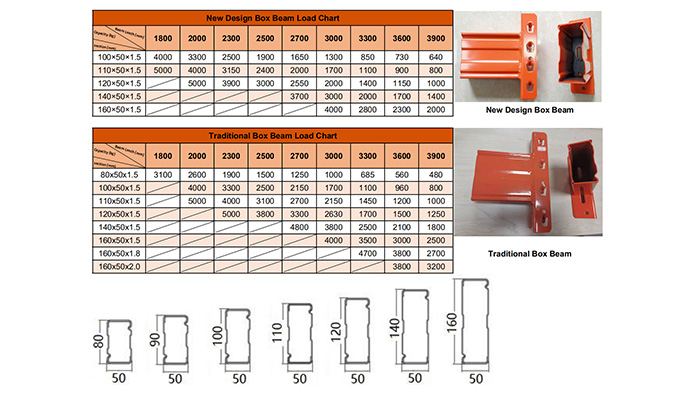
Beam Span and Cross-Section
Longer beams hold less weight. Beam shape controls bending strength. Small design changes can change capacity a lot.
How Paired Beams Set Level Load
A rack level uses two beams. Their combined strength defines level capacity. One weak beam reduces the whole level.
3.Load Distribution
Uniform Load vs Point Load
Uniform loads spread weight evenly. Point loads push stress into small areas. Pallets with uneven bases create risk.
How Load Shape Changes Capacity
Drums, coils, and long items stress racks in different ways. The same weight can act very differently.
4.Floor and Anchoring Conditions
Floor Strength
Your rack is only as strong as the floor. Weak concrete reduces real capacity.
Why Anchoring Improves Stability
Anchors stop movement. They help racks handle impact and uneven loads.
Weight Limits by Different Rack Types
Selective Racks

Selective racks often hold 2,000–4,500 lbs per level. They work well for palletized goods with clear weights.
Drive-In and Drive-Through Racks
High density reduces margin. Forklifts add side impact. Loads must stay below design limits at all times.
Cantilever Racks
-Arm Length and Load
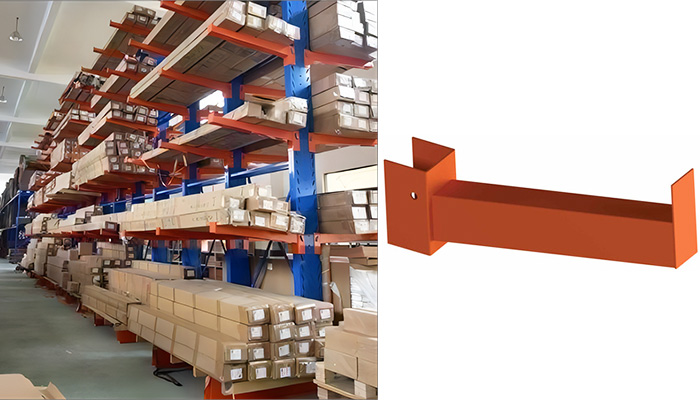
Longer arms reduce capacity. Loads create leverage, not just weight.
-Risk Points for Long and Odd Loads
Pipes and lumber shift easily. This raises overload risk even at low weight.
Shelving Systems
Light, medium, and heavy shelving follow different logic. Shelf deflection matters more than total weight.
Common Causes of Rack Overloading
– Your products get heavier, but racks stay the same
– Mixed SKUs overload one level
– You ignore bent uprights or forklift hits
– You do not post clear load labels
Each issue grows slowly. Then it fails fast.
Safety Standards and Load Compliance
RMI Guidelines
In the US, RMI gives clear advice on rack loads and safety margins. Inspectors often use these rules.
EN Standards
In Europe, EN standards define test methods and safety factors. Many global warehouses follow them.
Why Compliance Reduces Long-Term Risk
Compliance lowers accident risk. It also protects you during audits and insurance claims.
How to Check If Racks Are Overloaded
Visual Warning Signs
-Beam Deflection
If beams bend more than expected, weight is too high.
-Upright Lean or Twist
Even small lean shows stress or impact damage.
Load Labels and Capacity Plates

-Why Load Labels Matter
Labels tell workers the safe limit at a glance.
-What Missing Labels Mean
No label means no clear control. Inspectors see this as risk.
Best Practices to Stay Within Weight Limits
– Store by weight zones
– Review load plans often
– Adjust racks when operations change
– Train workers to spot early damage
Simple habits prevent big failures.
When Rack Weight Limits Should Be Recalculated
– You change rack height or layout
– You switch forklifts or handling tools
– You add heavier products
Any change can break old assumptions.
Choosing the Right Rack System Based on Weight Needs
Weight must come before density. High density saves space but raises risk. Standard racks work for stable loads. Custom designs fit heavy or unusual goods. Early design choices decide long-term safety.
Conclusion
Warehouse rack weight capacity limits are a system issue. They connect design, load, floor, and people. When you understand them clearly, your warehouse runs safer and smoother.
FAQ
1.How much weight can warehouse racks hold?
It depends on rack type, beam size, upright design, and floor strength. You must check load labels and drawings.
2.What happens if rack weight limits are exceeded?
Racks bend, fail, or collapse. This can cause injury, inventory loss, and legal trouble.
3.Can rack weight capacity be increased?
Yes, but only with new beams, uprights, or design review. Never guess or modify without engineering approval.
4.Are warehouse racking weight capacity labels labels required?
In many regions, yes. Even when not required, they are a best practice for safety and control.
 EN
 PT
 ES
 AR
 RU
 FR
