
Warehouse racking prices and cost are key factors when planning your storage space. Buying racks is a major investment, so you need to know what you are paying for. This short guide breaks down the prices in simple terms.
Warehouse Racking Type
1.Selective Pallet Racking
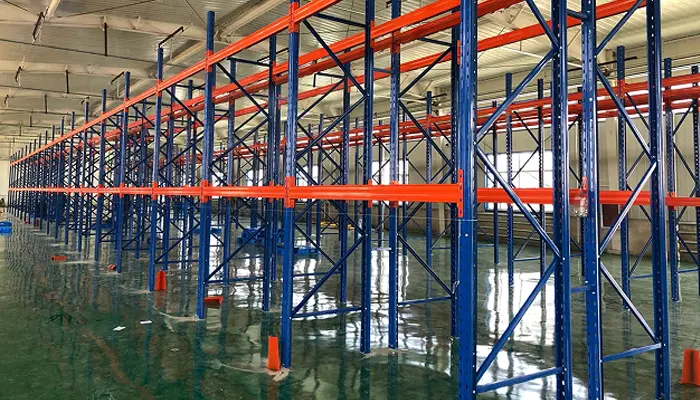
- How it works: It is like a regular bookshelf. Every pallet has its own space.
- Why it is good: Forklifts can take any pallet directly. You do not need to move other goods.
- Best for: Warehouses with many different types of products.
2. Cantilever Racking
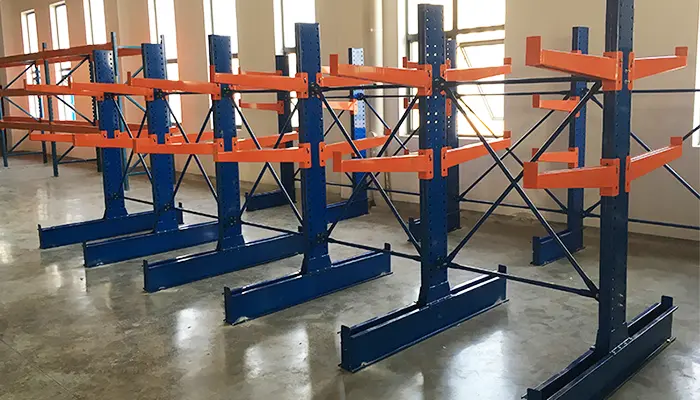
- How it works: It has no front bars. It uses long arms coming out from the back.
- Why it is good: There is no limit on width. It can hold very long things.
- Best for: Long and heavy items like pipes, wood, steel, and furniture.
3. Drive-In Racking
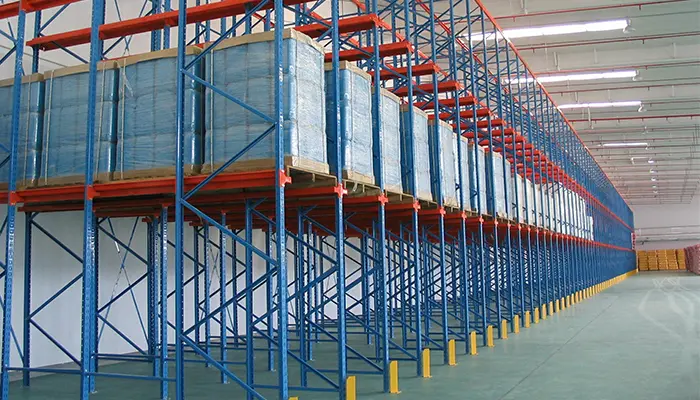
- How it works: There are no lanes between racks. Forklifts must drive inside the rack to put or take goods.
- Why it is good: It saves a lot of space because it removes forklift lanes.
- Best for: Large amounts of the same product with no expiration dates (First-In, Last-Out).
4. Push-Back Racking
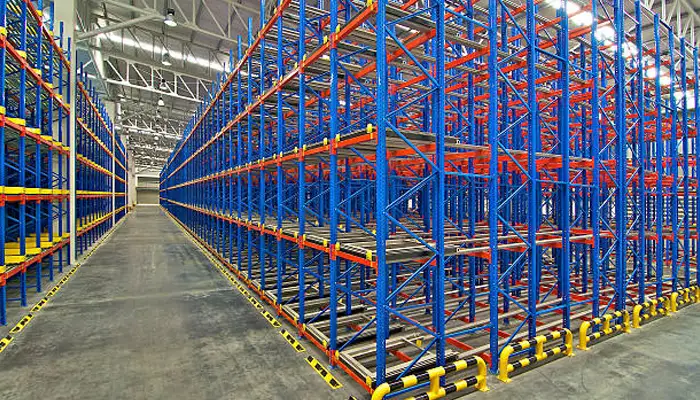
- How it works: Pallets sit on rolling carts on a slope. When you put a new pallet, it pushes the old one back. When you take one out, the next one slides front.
- Why it is good: It saves space, and forklifts do not need to drive inside the rack. It is safer and faster.
- Best for: Warehouses that want to save space but need fast work.
5. Gravity Flow Racking
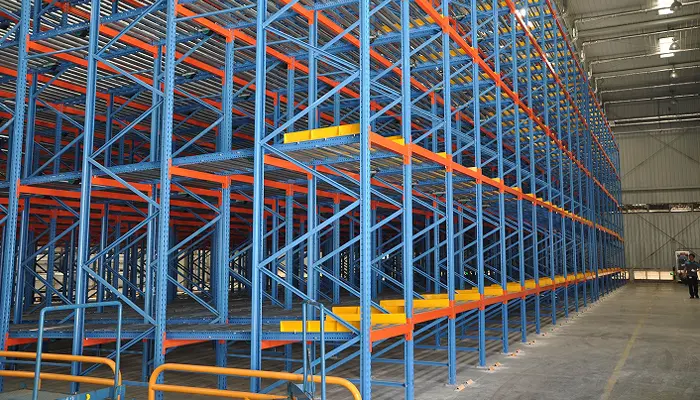
- How it works: The rack has wheels and a slope. You put goods in from the back (high side), and they slide to the front (low side) by gravity.
- Why it is good: Perfect First-In, First-Out (FIFO). The oldest stock is always used first.
- Best for: Food, medicine, or products that can spoil easily.
6. Industrial Longspan Shelving
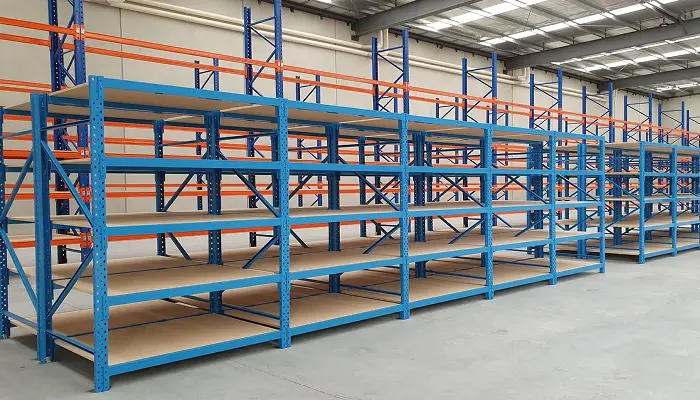
- How it works: These are big shelves with wooden or steel boards. They are not for big pallets.
- Why it is good: Strong, long, and easy to adjust. Workers can pick items by hand easily.
- Best for: Small or medium items, online stores (E-commerce), and car parts.
7. Multi-Tier Mezzanines
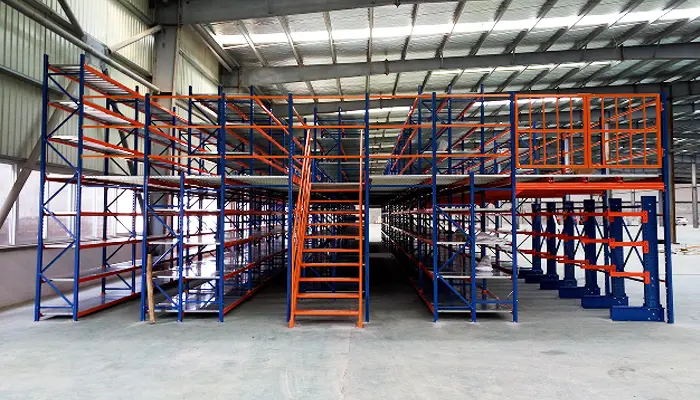
- How it works: It builds a second or third floor inside the warehouse by using heavy racks as a base. It makes the warehouse a “double-decker.”
- Why it is good: It doubles or triples your floor space without changing the warehouse building.
- Best for: Warehouses with very high ceilings but not enough ground space.
How Much Does Warehouse Racking Cost?
1. Selective Pallet Racking
The Cost: This is the cheapest option. The cost is about $50 to $90 per pallet position.
2. Cantilever Racking
The Cost: It is more expensive. It is priced per metal arm ($400 to $1,000+) instead of per pallet.
3. Drive-In Racking
The Cost: The price is medium, around $90 to $160 per pallet position.
4. Push-Back Racking
The Cost: It is an expensive system, costing $175 to $275+ per pallet position.
5. Gravity Flow Racking
The Cost: This is one of the most expensive systems, costing $250 to $450+ per pallet position. The price is high because it uses a lot of moving parts, rollers, and automatic brakes.
6. Industrial Longspan Shelving
The Cost: Very cheap. It is priced per shelf level ($40 to $120).
7. Multi-Tier Mezzanines
The Cost: High upfront cost. It is priced per square foot ($40 to $90+).
Warehouse Racking Prices
| Racking System Type | Estimated Cost (USD) | Pricing Unit | Space Saving Ability | Extra Costs to Consider |
| Selective Racking | $50 – $90 | Per Pallet Position | Low (Needs many aisles) | Lowest setup cost; uses standard forklifts. |
| Drive-In Racking | $90 – $160 | Per Pallet Position | High (Removes aisles) | High repair cost because forklifts hit columns. |
| Push-Back Racking | $175 – $275+ | Per Pallet Position | High (Stores 2-6 deep) | Higher upfront cost for nested metal carts. |
| Pallet Flow Racking | $250 – $450+ | Per Pallet Position | Very High (Stores 20 deep) | Expensive moving parts, rollers, and brakes. |
| Cantilever Racking | $400 – $1,000+ | Per Column & Arms | Medium (For long items) | Requires special sideways-driving forklifts. |
| Longspan Shelving | $40 – $120 | Per Shelf Level | Low (For hand picking) | Price changes based on wood or wire decks. |
| Multi-Tier Mezzanine | $40 – $90+ | Per Square Foot | Excellent (Creates 2nd floor) | High installation cost and expensive city permits. |
Factors Influencing Warehouse Racking Cost
Load Capacity (Weight of Your Products)
The weight of your inventory dictates how thick the metal must be. Racking companies measure this by how many pounds a pair of beams can hold without bending.
- Thin vs. Thick Steel: If your warehouse stores light items like shoes, pillows, or t-shirts, you can use light-duty steel. This keeps your upfront cost very low.
- The Heavy-Duty Premium: If you store heavy items like machine parts, water bottles, or metal coils, you must buy extra-thick steel. Heavy pallets require thicker horizontal beams and stronger upright frames. This added metal can easily double your raw material costs.
Type of Racking System
The way a rack is designed and built changes the price tag. Simple shelves are cheap, but systems with moving parts cost a lot more money.
- Static Racks (Cheap): Standard selective racks are just simple metal frames that stand still. They have no moving parts, so they are the most affordable option per pallet position.
- Dynamic Racks (Expensive): Racks that use gravity to move items—like Push-Back racks or Pallet Flow racks—require precision engineering. They contain metal wheels, rolling tracks, and automatic brakes. These extra parts make the system cost three to four times more than standard racks.
New vs. Used Racking
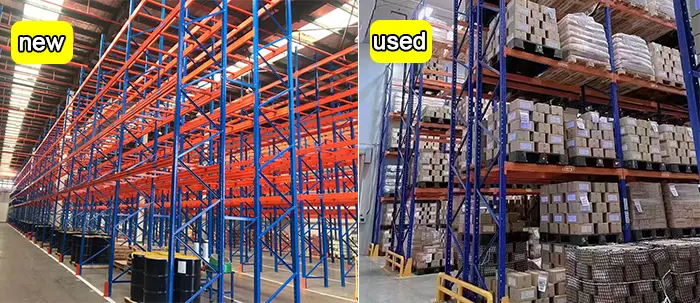
Just like buying a used car, choosing pre-owned warehouse equipment is a fast way to lower your setup budget.
- The Benefits of New: Brand new racks are perfect. They come straight from the factory, have zero damage, include a warranty, and easily pass city safety inspections. However, they cost full price.
- The Savings of Used: Buying used racks can save you 20% to 50% of your total budget. The downside is that you must look for rust, dents, or bent metal. Bent steel is very dangerous because it can collapse under heavy weight.
Steel Prices and Material Quality
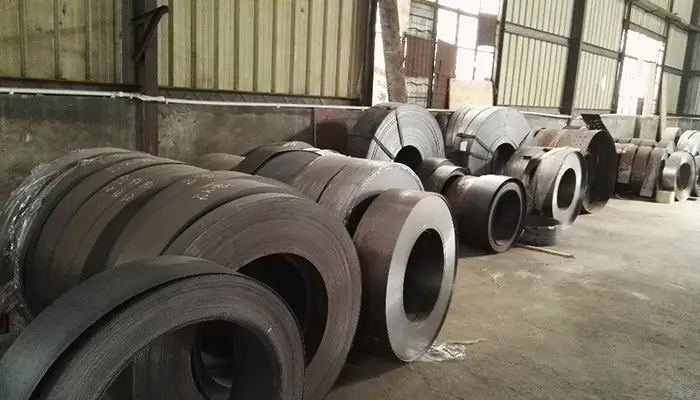
Warehouse racks are made entirely of industrial steel. Because of this, your final invoice is directly tied to the global steel market.
- Market Changes: Steel prices go up and down every month based on global supply and trade. If steel prices are high when you buy, your racking will cost more.
- Roll-Formed vs. Structural: Roll-formed steel is thin and shapes easily, making it the cheapest choice. Structural steel is hot-molded, incredibly thick, and expensive. However, structural steel saves you money over time because it does not break when a forklift accidentally hits it.
Height and Warehouse Size
The size of your warehouse changes how much material you need to buy and how much a supplier will charge you.
- Going Vertical: Taller racks allow you to use your high ceilings. However, a 30-foot vertical frame cannot use the same steel as a 15-foot frame. It needs a wider base and thicker steel to stay stable, which increases the price.
- The Power of Bulk Buying: Racking factories love large orders. If you have a massive warehouse and buy hundreds of racking bays at one time, suppliers will give you a large volume discount. This lowers your cost per single shelf.
Additional Costs
The price of the metal components is only part of your total invoice. You must budget for three major secondary expenses before your warehouse is ready to open:
Shipping Costs (Freight): Steel is incredibly heavy. If you buy your racks from a factory that is far away, the cost of the delivery trucks can be thousands of dollars. Buying from a local supplier is usually cheaper for this reason.
Professional Installation: Building industrial racks is not a DIY job. You must hire a licensed installation team with special tools and lifts. This labor cost ensures your racks are level, straight, and safely anchored into the concrete floor.
City Building Permits: In almost every city, you cannot just set up industrial racks. You must pay an engineer to sketch a layout, apply for a city permit, and pay for a government safety inspection. These official fees and paperwork add extra costs to your final budget.
Conclusion
In conclusion, planning your budget requires looking at three main areas: your product type, your building layout, and hidden fees. A standard warehouse racking system price is affordable, but heavy items or taller frames will quickly increase your warehouse racking cost per square foot. Finally, you must always remember to budget for secondary expenses like heavy shipping, professional installation labor, and city permits. By understanding how these three areas change the total cost of warehouse racking per square foot, you can easily design a safe storage space that fits your business budget perfectly. If you have any problem, you can contact OKE!
 EN
 PT
 ES
 AR
 RU
 FR
