
Safe racking keeps daily warehouse dangers in check. It protects your people, your stock, and your building.
Warehouse rack safety covers the full warehouse environment. Safety involves more than pallet racks. It means every type of storage rack, every aisle for people, every path for machines, and every procedure that maintains a stable, secure warehouse.
What Is Warehouse Rack Safety?
Warehouse rack safety is the full safety system for your warehouse. It covers many rack types, work paths, tools, and rules. You use it to protect your workers and storage systems from damage or accidents.
What Warehouse Rack Safety Includes

- Many rack systems: pallet racks, cantilever racks, drive-in racks, mezzanines, long-span racks, and light-duty racks
- Work paths for forklifts, AGVs, and people
- Lighting, floor level, and walkways
- Load limits, anti-impact guards, and fire safety
- Work rules, safety training, and inspection plans
Warehouse rack safety is not a single rack structure. It is a full operation system that controls how the warehouse works every day.
Why Warehouse Rack Safety Matters
You put people, goods, and business at risk when warehouse rack safety is ignored. Many warehouses think racks fail because of poor design. But studies show that over 70% of rack accidents come from human error and poor warehouse layout, not rack material problems.
What Can Go Wrong

- Rack collapse → loss from $100,000 to millions
- Injury or death
- Warehouse downtime
- Insurance pressure
- Customer trust loss
- Fines from local rules (common in Europe and North America)
Keep your warehouse in order to reduce every one of these risks.
Common Risk Points in Warehouse Rack Safety
Warehouse rack safety covers more than just where you store pallets. You face risks in many areas of the warehouse.
1. Mixed Rack Systems in One Warehouse
Different rack areas may have different load limits, aisle sizes, or work styles. These problems are common:
- Incompatible storage spaces
- Confusing work paths
- Wrong machines entering wrong zones
2. Risks From Cantilever, Drive-In, and Mezzanine Systems
Each system has its own danger points:
- Cantilever racks → long materials fall
- Drive-in racks → rail deformation
- Mezzanine floors → weak load capacity or vibration
3. People and Machines Sharing the Same Path
Forklifts cause most warehouse accidents. When people walk close to moving machines, you face high danger.
4. Poor Stacking in Light-Duty Areas
Hand-picking zones are often messy. Items fall easily when stacked too high or unevenly.
5. Hidden Risks in the Warehouse Environment
- Low lighting → blind spots
- Uneven floors → rack tilt
- Wrong temperature → corrosion or swelling of materials
Warehouse rack safety is always a system project. You must control every small part.
Safety Points for Different Rack Types
1. Cantilever Racking

- Install anti-roll-off devices
- Do not place items longer than the arm
- Check arm–column bolts often
2. Drive-In Racks

- Replace deformed rails
- Add speed limits in the entry lanes
- Control forklift angle when entering
3. Mezzanine Floors
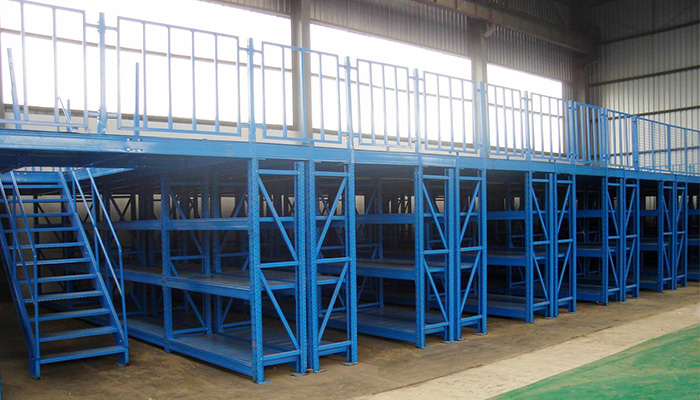
- Engineer must approve load capacity
- Add guardrails and safety gates
- Steps and stairs must follow safety standards
4. Medium and Light-Duty Racks

- Working height must match human reach limits
- No climbing
- Spread weight evenly across each level
How Warehouse Layout Impacts Rack Safety
A messy warehouse is more dangerous than an old rack system. The layout decides how people, machines, and goods move.
1. Aisle Design
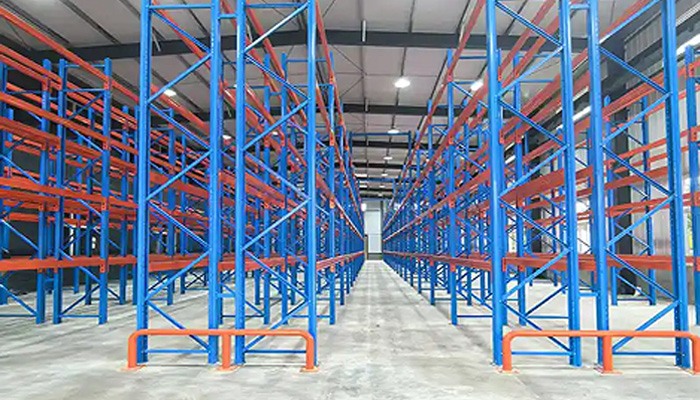
- Main aisles ≥ 0 m
- Separate walking and vehicle paths
- Add mirrors at corners
2. Impact Protection
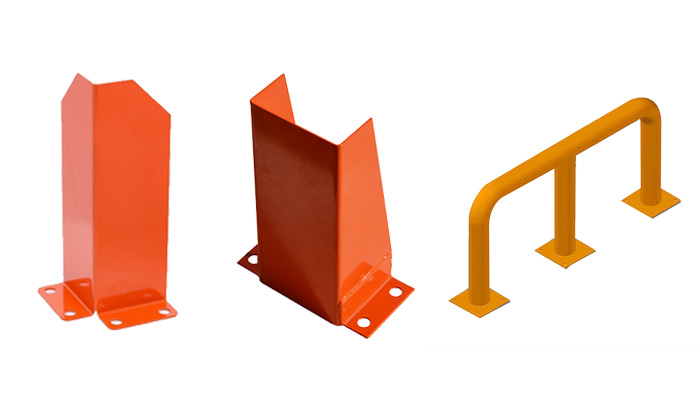
- Column guards
- Floor-mounted barriers
- Safety fences around automation zones
3. Lighting
- Low lighting increases mistakes
- Corners need extra light
Warehouse Rack Installation Safety
Many accidents happen because racks were installed wrong.
1. Anchoring Is Required
Unanchored racks are one of the biggest collapse risks.
2. Vertical and Horizontal Leveling
Different rack systems have different rules, but most require:
Vertical deviation ≤ 1/200
Horizontal deviation ≤ 3 mm
3. Floor Load Check
You must check floor capacity, especially on rented floors or second floors.
Inspection Plans for Warehouse Rack Safety
You need a clear inspection plan for rack systems, tools, and the warehouse layout.
1. Daily Checks (Supervisor)
- Deformation
- Loose bolts
- Damaged guards
2. Monthly Checks (Safety Officer)
- Rack structure
- Stacking rules
- System changes
3. Annual Checks (Engineer or Third Party)
- Overall structure
- Mezzanine systems
- Drive-in rails
- Fire protection
- Work paths
This step is missing in many warehouses.
Safety During Daily Operations
Your daily work also impacts warehouse rack safety.
1. Forklift Safety
Do not push items while lifting
Do not hit rack columns
Drivers must be trained
2. AGV / AMR Zones
People cannot enter without permission
Add physical barriers
3. Manual Work Zones
Do not stand under racks
Do not climb racks
Do not stack items too high
Smart Warehouse Safety Systems
Many modern warehouses add smart tools to improve rack safety.
- Sensors for rack deformation
- Digital twin systems
- WMS load monitoring
- Electronic inspection systems
These tools are now common in large warehouses.
Real Case Study: Drive-In Rack Collapse in Houston, USA (2021)
In 2021, a food distribution warehouse in Houston, Texas had a full drive-in rack collapse. The collapse destroyed eight aisles of racks and damaged more than $1.3 million in goods. The root cause was a bent rail that was not replaced for three months. The warehouse layout also had blind spots that made forklift entry unstable.
This case shows how small problems grow into big failures when warehouse rack safety is ignored.
How To Build a Full Warehouse Rack Safety System
You protect your warehouse by building a full safety chain:
- Safe design from day one
- Correct installation
- Clear work paths
- Regular inspections
- Worker training
- Prevention tools
Warehouse rack safety is not the same as pallet rack safety. It covers your entire warehouse, not one rack. When the whole operation is safe, your warehouse runs better, faster, and with fewer costs.
Conclusion
Warehouse rack safety is the most important investment you can make in your warehouse. You protect people, goods, and your company. When you follow good design, good layout, good rules, and good checks, you build a safe and stable warehouse. A safe warehouse always works better. It lowers risk and raises efficiency for many years. If you have any questions, you can contact OKE!
FAQ
1.Why is warehouse rack safety important?
It protects workers, goods, and daily operations from damage, accidents, or downtime.
2.How often should you inspect warehouse racks?
You need daily, monthly, and annual inspections to keep all racks stable.
3.Where do most warehouse rack accidents start?
Most accidents start from human error, poor layout, or wrong forklift movements.
4.How do you improve warehouse layout for safety?
You set wide aisles, clear paths, good lighting, and strong impact protection.
5.What tools help you monitor rack safety?
Sensors, WMS systems, digital twins, and electronic inspection systems.
 EN
 PT
 ES
 AR
 RU
 FR
