
Racks in a warehouse come in different forms. Heavy-load racks, long-item racks, raised storage, and high-level units all require their own safety review. A simple checklist helps avoid problems, keep stock safe, and ensure work flows without stopping. Ignored racks can break, hurt workers, and waste time.
What is Warehouse Rack Inspection
Warehouse Rack Scope
Warehouse racks cover more than pallet racks. You may have:
– Heavy-duty steel racks: Strong frames made to hold heavy pallets or bulk goods.
– Cantilever racks: It is made to hold long things like pipes, wood, or metal rods.
– Mezzanine racks: They are tall racks with many levels that make good use of space from floor to ceiling.
– Drive-in / drive-through racks: These systems store many pallets closely together and let you stack them high.
Every rack style needs a different way to be checked. A cantilever rack, a mezzanine, and a heavy pallet rack each have their own setup method.
Purpose of Inspection
The main purposes are:
– Prevent structural collapse: Prevent worker injuries by making aisles and loading areas safer.
– Ensure safety of employees: Make aisles and loading areas safer to prevent worker injuries.
– Compliance: Follow local safety laws and meet insurance requirements.
– Maintain operational efficiency: Keep racks in good repair to prevent work stoppages.
Warehouse Rack Inspection Checklist Core Items
Structural Integrity Check
Inspect all vertical posts, beams, braces, and cantilever arms. Look for:
– Bends, cracks, or dents
– Rust or corrosion
– Loose or missing bolts
– Welds and joint integrity
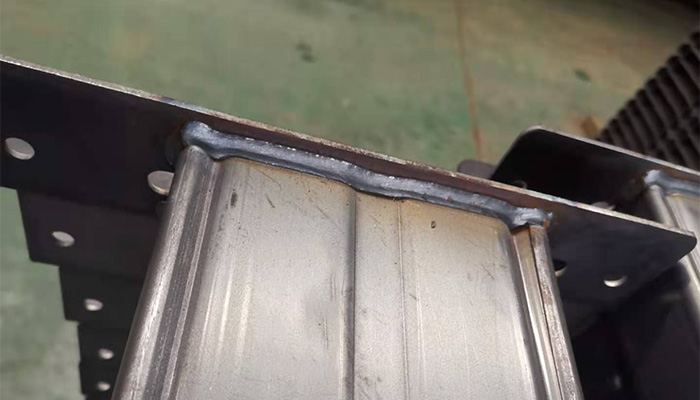
> Example: A Spanish furniture warehouse had a cantilever arm fail in 2023. After starting separate inspections for cantilever racks, similar incidents dropped by 80%.
Load & Label Verification
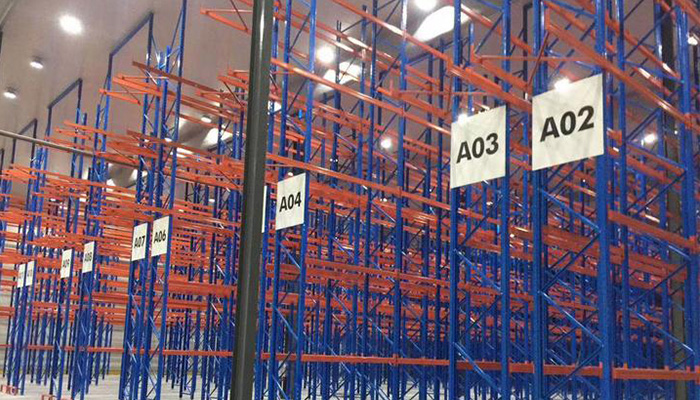
Confirm:
– Each rack carries loads within design limits
– Labels and warning signs are visible and legible
– Load distribution is even, especially for long items on cantilever racks
Overloaded racks can bend, crack, or collapse, especially mezzanine and drive-in racks.
Floor & Anchor Check
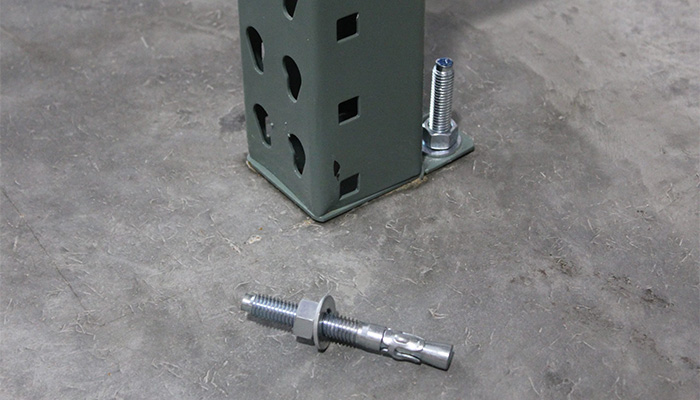
Check:
– Anchors and bolts securing the racks to the floor
– Rack bases are stable and not tilted
– Floor is level and capable of supporting weight
– No floor cracks or subsidence
Mezzanine racks are sensitive to uneven flooring. Heavy-duty racks may require torque testing of anchor bolts.
Safety Features Check
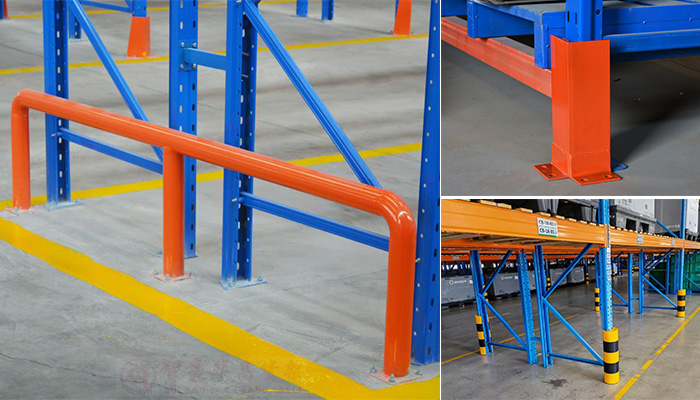
– Pallet stops on heavy-duty and drive-in racks
– Fall protection rails for mezzanine levels
– Guardrails at aisle ends
– Safety signs and floor markings
Safety guards are the final barrier against accidents. Any that are missing or broken should be fixed right away.
Maintenance & Inspection Records
– Review historical logs for each rack type separately
– Confirm all previous issues were corrected
– Track repair dates, load tests, and inspections digitally if possible
> Case: DHL European warehouses maintain separate digital logs for cantilever, mezzanine, and heavy-duty racks. This helped identify recurring problems and prevent structural failures.
Warehouse Rack Inspection Frequency
– Daily Checks: Quick visual inspection of high-use racks, including aisles and floors
– Weekly/Monthly: Detailed inspection by trained staff
– Annual Professional Inspection: Certified engineers check structural integrity, load performance, and safety systems
Adjust based on:
– Rack type
– Load intensity
– Warehouse traffic
Example: Grupo Cromus in Brazil performs weekly inspections for drive-in and cantilever racks, separate from pallet racks. This ensures each system meets safety standards.
Tools & Methods
Basic Tools
– Spirit levels for verticality
– Torque wrenches for bolts
– Measuring tapes for spacing and clearance
– Flashlights for hard-to-see areas
Advanced Tools
– 3D scanners for structural deformation
– Load sensors for mezzanine floors
– Force meters for cantilever arms
Digital Methods
– Mobile inspection apps for recording and reporting
– Electronic checklists with automated reminders
– Cloud-based storage for historical logs
Using the right warehouse inspection tools and rack inspection methods ensures thorough checks and quick issue tracking.
Handling Issues After Inspection
Minor Problems
– Tighten loose bolts
– Reinforce small bends or scratches
– Replace missing labels or signs
Serious Problems
– Stop using the affected rack
– Replace damaged beams or posts
– Consult structural engineers if necessary
Write down any issue and tell the warehouse managers.
Best Practices to Improve Rack Safety
– Staff Training: Correct methods to load and operate each rack style
– Regular Updates: Regularly update your inspection lists and safety guidelines
– Digital Management: Employ digital checklists and set automatic alerts for your inspections
– Preventive Maintenance: Keep moving parts oiled and watch for rust.
This ensures your checklist is helpful, not just routine.
Conclusion
A full rack checklist is very important for warehouse safety.Pay attention to various rack styles, their specific risks, and steady upkeep. Build checks into everyday work.It prevents injuries, safeguards employees, and ensures efficient work. OKE Storage implements strict QC processes, including raw material inspection, precision measurement, surface-coating checks, and full load-bearing testing to guarantee international-standard racking quality. If you have any problems, you can contact OKE Storage!
FAQ
Q: How often should I inspect cantilever or mezzanine racks?
A: Check racks by sight every day. Look closer each week or month. Arrange a yearly expert inspection, depending on the rack’s weight load and usage frequency.
Q: Why do different racks need separate inspections?
A: Each rack type has unique structure, load, and risk. Using the same method for all racks may fail to catch major hazards.
Q: Where can I find tools for mezzanine or heavy-duty racks?
A: Industrial suppliers sell the needed tools: torque wrenches, load sensors, 3D scanners, and inspection apps for your phone.
Q: How do I record and track issues?
A: Use a phone app or digital checklist to note problems, track fixes, and plan your next inspection.
Q: What should I do if a rack is damaged?
A: Fix minor issues immediately. For serious problems, stop using, remove, or replace the rack and inform management.
 EN
 PT
 ES
 AR
 RU
 FR
