
Think of your rack size as the base for your warehouse. It controls your space, speed, and safety. Since every warehouse is different, you need the right rack setup. Getting the height, depth, and spacing right stops damage and delays.
OKE Storage helps you customize every rack size with more than 20 years of experience and exports to 85+ countries.
This article gives you a full guide to warehouse rack sizes and dimensions across all rack systems, not only pallet racks.
What Are Warehouse Rack Sizes?
You may think warehouse rack sizes mean pallet rack dimensions. But the system is much wider. Warehouse rack sizes vary across all major storage systems, as each type follows its own sizing logic.
1. Light / Medium / Heavy-Duty Shelving

These racks handle small items and high-frequency picking tasks.
2. Cantilever Racks

These racks store long materials like pipes, timber, and boards. Their dimensions follow length and weight, not pallet size.
3. Mezzanine Floors
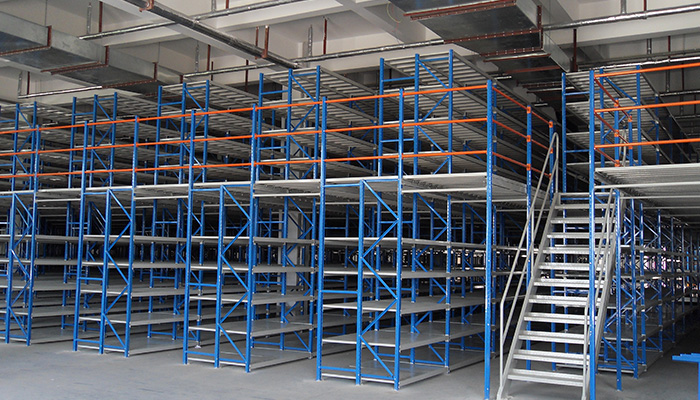
These platforms use vertical space. Their dimensions depend on column spacing, load, and working height.
4. Carton Flow Racks

These racks follow gravity flow. Their dimensions depend on carton size and picking lines.
5. Drive-In Racks

These deep lanes optimize high-density storage. Their sizes vary by lane depth and pallet height.
6. ASRS Racking
These racks match automation systems like stacker cranes or shuttles. Their sizes follow equipment paths and tolerance rules.
Warehouse rack sizes are very wide. Each category follows its own engineering logic.
Key Factors That Decide Warehouse Rack Sizes
These sizing rules work across all rack types. You can use them to design flexible and safe systems.
1. Goods Type and Size
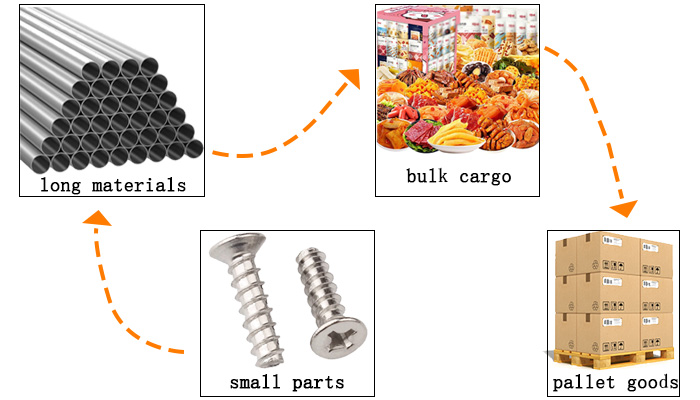
Small parts → shelving rack height and depth
Long materials → cantilever arm length
Bulk cargo → heavy-duty deep racks
Pallet goods → general reference, not the focus here
2. Warehouse Building
Clear height decides rack height
Fire rules decide layer spacing
Floor load decides rack frame size
Column grids decide rack layout
3. Working Equipment

Forklifts
Manual picking
Electric picking
AGV or robots
Automation needs strict space rules around racks.
4. Aisle Width and Safety Space
If you change aisle width, you change height, depth, and safety clearances. This also affects forklift turning and picking speed.
OKE Storage Standard Size Ranges
Below are the typical size ranges from OKE Storage. You can customize any dimension.
1.Shelving Rack Dimensions
Height: 1800–3500 mm
Depth: 400–800 mm
Beam or shelf pitch: 50–75 mm adjustable
You can use these in e-commerce or small-item picking warehouses.
2.Cantilever Rack Dimensions
Upright height: 2000–9000 mm
Arm length: 500–1800 mm
Base length: 800–1500 mm
Good for steel pipes, timber, boards, and furniture.
3.Mezzanine Floor Dimensions
Column spacing: 3000–6000 mm
Floor height: 2500–4500 mm
Load: 300–1000 kg/m²
4.Drive-In Rack Dimensions
Lane depth: 4–10 pallets deep
Rack height: 4000–12000 mm
Rail spacing and clearances follow forklift type
5.ASRS Rack Dimensions
Height: 10–30+ meters
Aisle width: 800–1500 mm
Bin or shuttle tray sizes follow automation specs
These size rules are fully independent from pallet rack design.
Choose Rack Sizes by Warehouse Type (OKE Exclusive Method)
E-Commerce Warehouses
You handle small items and fast moves. You need:
Tall shelving racks
Narrow depth shelves
Picking height under 1800 mm
Manufacturing Warehouses
You store long and heavy items. You use:
Cantilever racks with longer arms
Heavy-duty shelves with wider spans
Mold racks with controlled layer spacing
Cold Storage Warehouses
You focus on density and temperature control. You need:
Drive-in lanes with fixed deep sizes
Reduced aisle width
Higher frames to save energy per pallet
Food & Agriculture Warehouses
You handle boxes, bulk bags, and varied load sizes. You need:
Flexible layer height
Large depth racks
Good ventilation between layers
Engineering Logic Behind Warehouse Rack Sizes
Your rack size choices come from real engineering rules.
1. Structural Strength
Every beam or column size follows load vs section.
2. Bending Moment (Cantilever Racks)
Cantilever arms must hold long materials with stable bending control.
3. Span and Deflection Control
Heavy shelves and mezzanine floors must avoid big deflection.
4. Fire Protection Requirements
Fire rules shape layer spacing and rack height.
5. Seismic Design
In earthquake zones, rack depth and frame width must change.
OKE Storage supports you with FEA analysis, ±1 mm precision roll-forming, and free engineer review.
OKE Storage Custom Size Capabilities
You can request:
Any height, depth, span
Any thickness
Any non-standard long products
ASRS-ready systems
OKE Storage gives you a 10-year warranty and experience in 85+ countries.
Global Cases: How OKE Improved Storage with Better Rack Sizes
Case Study: Argentina Agricultural Group, 2024
One of the top 10 agricultural groups in Argentina built two new warehouses for bulk grain. Their racks needed large depth and high frames.
OKE Storage redesigned the rack dimensions and increased storage capacity by 32% without expanding the building.
This real project proves that correct warehouse rack sizes give you strong results.
FAQ
1.How tall are standard warehouse racks?
They normally range from 1800 mm to more than 9000 mm based on building height.
2.How do you choose cantilever arm length?
You choose arm length by material length and bending strength.
3.How do you set mezzanine floor column spacing?
You follow load, walkway size, and equipment movement.
4.Why does drive-in rack lane depth matter?
It decides forklift travel distance and storage density.
5.What special sizes does ASRS need?
It needs exact tolerances for stacker cranes or shuttles.
6.Can OKE Storage customize any dimension?
Yes. You can ask for any height, depth, span, or thickness.
Conclusion
When you select the right OKE Storage Warehouse Rack Sizes Dimensions, you improve capacity, safety, and operation speed. You also get engineering-based designs, custom sizes, and fast global support. OKE Storage helps you build high-performing warehousing systems with real results, from long-material storage to ASRS automation and multi-level platforms.
 EN
 PT
 ES
 AR
 RU
 FR
